Replace Damaged or Weak Drywall Before Adding New Tile to Prevent Failure
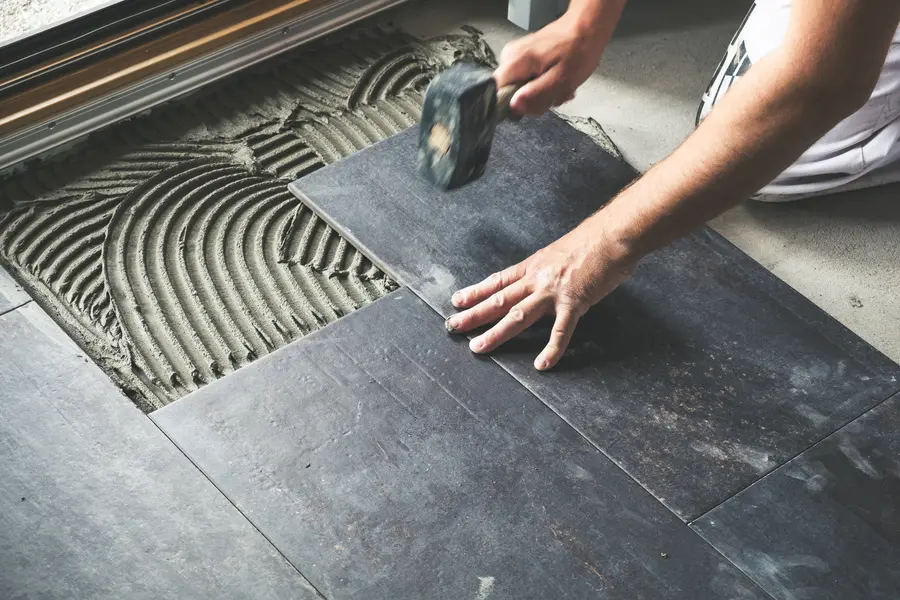
You should replace drywall before a new tile installation if it is soft, moldy, cracked, or water damaged. Tile is heavy. It needs a strong, dry surface. If the drywall is weak, the tile can loosen or crack later. Fixing the wall first saves time, money, and stress.
Quick Diagnosis Summary
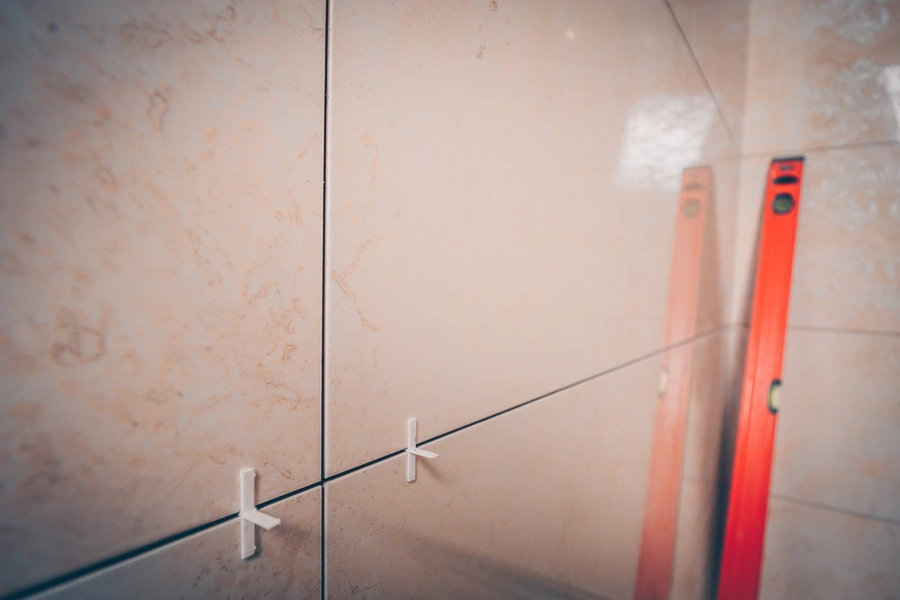
Drywall behind tile must be firm, flat, and dry. If it shows water stains, crumbles when touched, or bows out, it should be removed and replaced. In bathrooms and kitchens, moisture often weakens walls over time. Adding tile over damaged drywall traps problems inside the wall.
Common Symptoms
Not sure if your wall needs replacement? Here are signs to watch for:
- Soft spots when you press on the wall
- Brown or yellow water stains
- Visible mold or mildew smell
- Cracked or flaking drywall paper
- Bulging or uneven surface
- Loose screws or nails popping out
If you see one or more of these issues, the drywall may not support a proper tile installation. Even small weak areas can grow worse once tile and grout are added.
Likely Causes
The most common cause is water. Showers, tubs, and backsplashes deal with moisture every day. Over time, small leaks or poor ventilation can damage drywall. Once water gets inside, the gypsum core softens.
Another cause is using regular drywall in wet areas. Standard drywall is not made for constant moisture. Cement board or moisture-resistant backer board is a better choice behind tile in showers and wet spaces.
Age can also play a role. In older homes, drywall may already be weak or poorly fastened. When adding tile, extra weight can stress an already tired wall.
What to Check First
Before starting any tile installation, inspect the wall closely. Remove old tile carefully. Then check the surface underneath.
- Press along the wall to feel for soft areas.
- Look for dark stains or mold spots.
- Use a level to check for bows or dips.
- Check corners and seams for cracks.
- Inspect plumbing areas for leaks.
If the wall feels solid and looks clean, you may only need minor repairs. Small holes can be patched. Light surface damage can be sanded and sealed. But wide damage or wet areas usually mean full replacement is the safer choice.
Safe Fixes Vs Pro-Level Fixes
Some repairs are simple. For example, filling small dents with joint compound is safe for most homeowners. Tightening loose screws can also help firm up the wall.
Replacing large drywall sections is more complex. It may involve cutting out sections, checking for mold, and installing moisture-resistant board. In wet areas, switching to cement backer board is often the better path for long-term results.
If plumbing leaks caused the damage, that issue must be fixed first. Covering it with new tile will not solve the problem. It can make future repairs more expensive.
In many cases, a professional can tell quickly whether the drywall can stay or must go. This is especially true when damage is hidden behind old tile.
Prevention Tips
Preventing drywall damage before your next tile installation starts with moisture control. Use proper backer materials in wet rooms. Install exhaust fans in bathrooms. Seal grout lines and check caulking yearly.
It also helps to choose the right surface for each area. Regular drywall is fine for dry spaces like a kitchen backsplash away from the sink. But inside showers or tub surrounds, moisture-resistant systems work better.
If you are planning other upgrades in the service category keyword, review the wall structure at the same time. Handling hidden damage early avoids surprise costs later.
Final Recommendation
Before starting your project, have the wall inspected if you see stains, soft spots, or uneven areas. A strong base makes all the difference in how your tile installation holds up over time. In Norfolk, VA, moisture issues are common in bathrooms and kitchens, so checking drywall carefully can prevent future repairs. At Timely Results Construction, we remove damaged drywall, install proper backer materials, and handle tile work the right way from the start. Call (948) 265-3291 to schedule an inspection or get advice on your space. We are ready to help you build a surface that lasts for years.