Essential Equipment for Clean and Long-Lasting Wall Patch Results
The right tools make drywall hole repair faster, cleaner, and stronger. Small holes need simple hand tools, while larger damage calls for sturdier gear like a taping knife and sanding block. When you use the right equipment from the start, your patch blends in better and lasts longer.
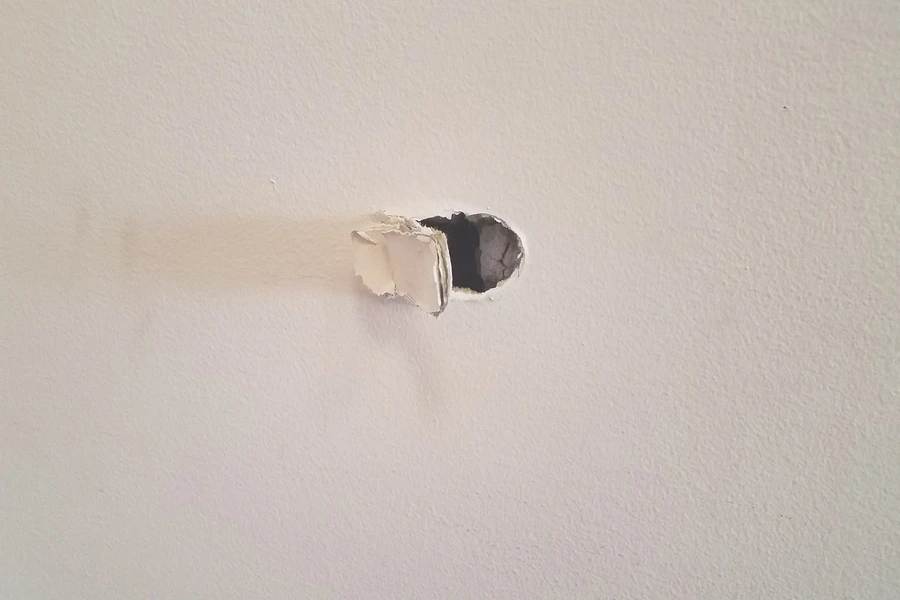
What You Need Before Starting
Before you patch any wall, gather your supplies in one spot. This saves time and keeps dust under control. Even basic drywall hole repair jobs need more than just spackle.
- Putty knife or taping knife
- Spackling compound or joint compound
- Drywall patch or mesh tape
- Sandpaper or sanding sponge
- Utility knife
- Dry cloth or brush for dust
- Primer and paint
For very small nail holes, you may only need spackling compound and a small putty knife. For medium or large holes, a drywall patch kit and wider knife help create a smooth finish. Having the right service category keyword tools ready keeps the project simple and smooth.
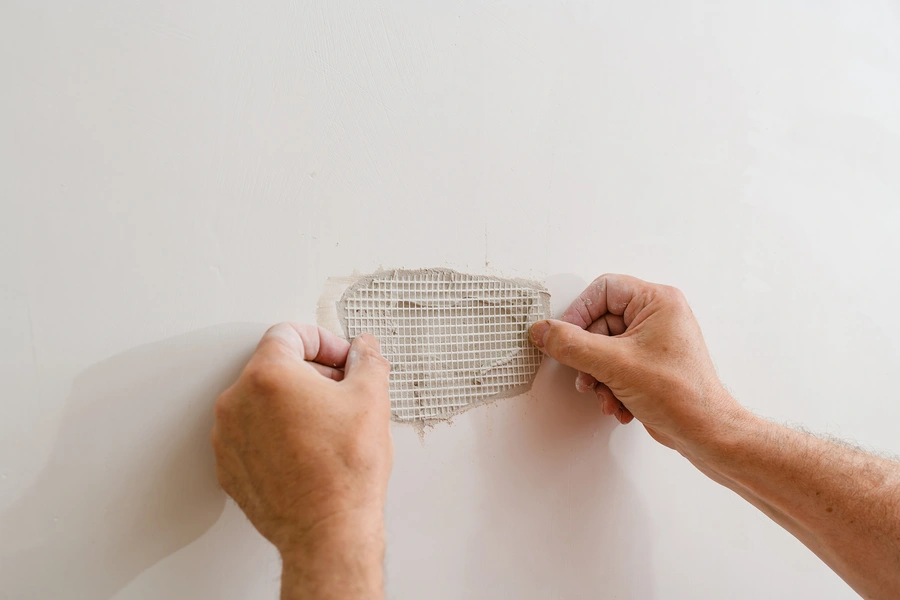
Step-by-Step Process for a Clean Patch
Once your tools are ready, follow a clear order. Skipping steps can lead to cracks or bumps.
- Clean the hole. Remove loose drywall and dust.
- Trim rough edges with a utility knife.
- Apply a patch if the hole is bigger than a coin.
- Spread compound evenly with your knife.
- Let the compound dry fully.
- Sand lightly until smooth.
- Wipe off dust, then prime and paint.
Each step builds on the one before it. Rushing the drying time is one of the biggest reasons drywall hole repair jobs fail. Let the wall dry all the way before sanding or painting.
Common Mistakes to Avoid
Many homeowners try to fix wall damage with whatever tools they have nearby. This often leads to uneven patches.
- Using the wrong size knife for the hole
- Applying too much compound at once
- Not feathering the edges outward
- Sanding too hard and damaging the wall
- Skipping primer before painting
Another mistake is ignoring wall texture. If your wall has an orange peel or knockdown finish, you may need a texture spray to match it. Without it, the spot will stand out even after good drywall hole repair work.
When to Call a Professional
Some holes are simple. Others are signs of deeper problems. If the drywall feels soft, crumbles easily, or shows water stains, there may be hidden damage behind it. In that case, basic tools will not fix the root issue.
You should also get help if:
- The hole is larger than a few inches wide
- There is damage near electrical outlets
- The wall has repeated cracking
- You need seamless texture matching
Professional drywall hole repair teams use wider taping knives, strong backing supports, and commercial-grade sanding tools. They also know how to blend paint so the patch disappears. This saves time and avoids repainting large sections of the wall.
Why the Right Tools Make a Difference
Good tools help you spread compound smoothly and sand evenly. A flexible taping knife helps feather edges. A sanding sponge reaches tight corners. Even quality primer matters because it seals the patch and prevents flashing through paint.
Think about it like cooking. The right pan makes the job easier. In the same way, the right drywall hole repair tools help you get flat, clean walls without extra coats or heavy sanding. Small upgrades, like stainless steel knives or dust-resistant sanding pads, can improve your final results.
Get Reliable Help With Your Wall Repairs
If your walls in Norfolk, VA need more than a simple patch, our team at Timely Results Construction is ready to help. We handle drywall hole repair projects of all sizes and use professional tools for smooth, lasting results. Call (948) 265-3291 today and let us restore your walls with care and precision.